GM Motors - Gamified Safety Training
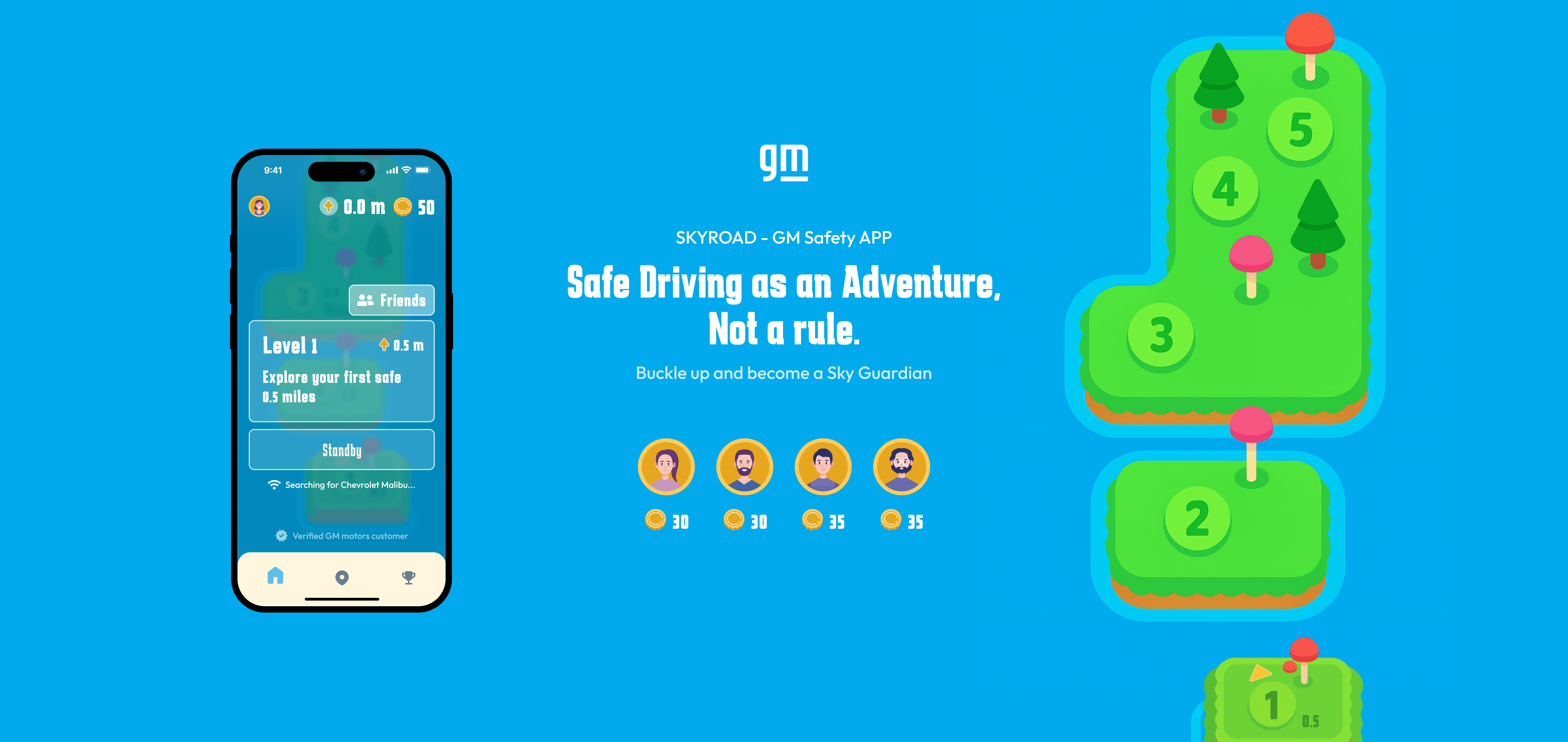
Turning a compliance problem into a daily habit using island exploration, story-driven progression, and behavioral science to make buckling up feel like an adventure.

A compliance problem disguised as a habit problem.
General Motors connected vehicle data revealed a stubborn pattern: even among drivers who knew the risks, seatbelt use on short trips remained inconsistent. A 2025 national randomized trial involving 1,139 GM customers confirmed that standard behavioral engagement alone was insufficient — only adding a shared-pot incentive moved the needle significantly, reducing unbuckled drives by 26%.
The research pointed to something deeper: the problem wasn't knowledge. It was motivation. Punishment-based reminders were creating resistance, not habits. The question became — what if safety training felt less like compliance and more like a game you actually wanted to play every day?
The Scale of the Problem
People die globally each year due to road traffic crashes
Of US crash fatalities involve unbelted occupants
Reduction in unbuckled drives with shared-pot behavioral intervention
02 Research
Built on a published clinical trial — not just intuition.
The design was grounded in a real peer-reviewed study: Ebert et al. (2025), published in the American Journal of Public Health. The trial tested four interventions across 1,139 GM connected-vehicle customers. The key finding: behavioral engagement alone didn't work but pairing it with a shared-pot incentive (everyone who achieves a safe-driving streak splits a prize pool) produced sustained behavior change even after the intervention ended.
This pointed directly to gamification principles: shared rewards, streak mechanics, and social norms outperformed individual raffle incentives. The design challenge was translating these behavioral economics findings into a product people would choose to open every day even when they weren't driving.
01
Punishment doesn't build habits
Repetitive safety warnings create annoyance, not compliance. Drivers habituate to negative feedback fast. The design had to be reward-first and curiosity-driven from the very first screen.
02
Shared rewards beat individual lotteries
The RCT showed a shared-pot incentive was more effective than a raffle of equal expected value. This validated cooperative, social mechanics over competitive ones a core design principle for the gamification layer.
03
Streaks and gain-framing sustain behavior long-term
Weekly streak feedback combined with positive, gain-framed language produced lasting change even after the intervention ended. These mechanics needed to be baked into the narrative not bolted on as notifications.
Designing for Ava - the Explorer who resists rules.
Applying gamification frameworks from For the Win (Werbach & Hunter) and Rethinking Gamification, the primary player type identified was the Explorer / Achiever — someone who wants discovery and personal expression, not direction and scoring.

PRIMARY PERSONA
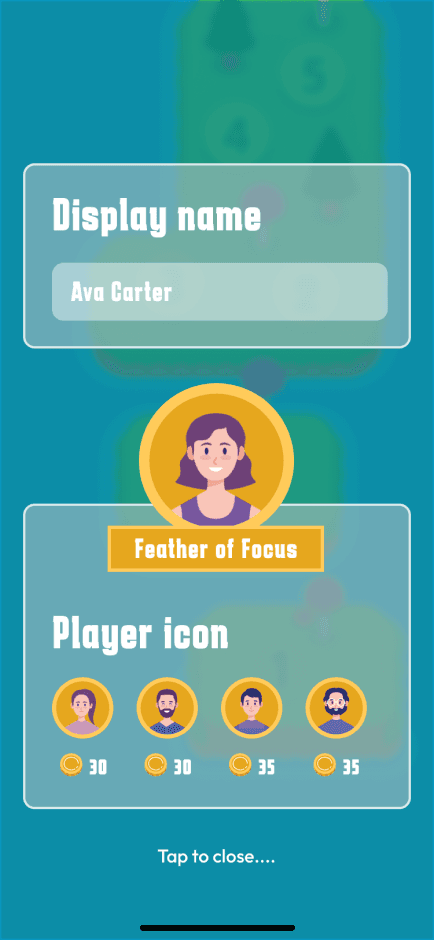
Ava Carter, 24 - Literature Student, Austin TX
Ava wears her seatbelt, but only because she sees it as "wrapping up for the journey." Tell her to do it for safety and she'll roll her eyes. She's imaginative, emotionally driven, and motivated by things that feel playful and personal. She struggles to stay engaged with anything that feels like an obligation — but thrives when progress feels like a journey she's authoring herself.
WHAT FRUSTRATES HER
Repetitive reminder kill her vibe
She resists being told what to do. Progress that feels like obligation rather than achievement makes her disengage immediately. Competitive leaderboards would alienate her entirely.
WHAT SHE NEEDS
A journey, not a checklist
Friendly, non-pushy encouragement. Progress that feels relaxing and personal. Something that fits her aesthetic — not a corporate safety app with compliance scores.
The player profile directly eliminated a huge amount of conventional safety-app thinking — warnings, compliance scores, public rankings — and replaced it with curiosity-driven design. The constraint made the product better.
04 Design Process
Gamification as a design system, not a layer on top.
Applied the six-step gamification design process from For the Win and Rethinking Gamification. Each phase directly informed what got built — and what got cut.
01. BUSINESS OBJECTIVES
Define what success actually looks like
Four core objectives ranked and justified: increase seatbelt usage, reduce distracted driving incidents, encourage positive habits through engagement, improve long-term behavioral change. The unifying brief: a fun mobile app that encourages safe driving using stories, surprises, and rewards — without punishments.
Justify
02. DELINEATE TARGET BEHAVIORS
Map behaviors across the full player journey
Mapped specific target behaviors across four phases: Discovery (learn how safe driving unlocks magical islands), Onboarding (accept permissions, buckle up for the first drive, earn the "SkyDrifter" title), Scaffolding (earn tokens through mini-games, unlock one new island per 10 miles, join a private friend circle), and Endgame (unlock all zones, complete the main story, record a personal "Drift Code" ritual).
Endgame
03. DESCRIBE YOUR PLAYERS
Explorer / Achiever — not the safety-conscious commuter
Mapped the Achiever player type across bio, motivations, goals, needs, and challenges. Key insight: this player wants to feel safe but not bossed around. She needs encouragement that fits her theme and progress that feels like a journey — not a compliance tracker.
Needs & Goals
04. DEVISE ACTIVITIES & PROGRESSION
Engagement loops and progression stairs
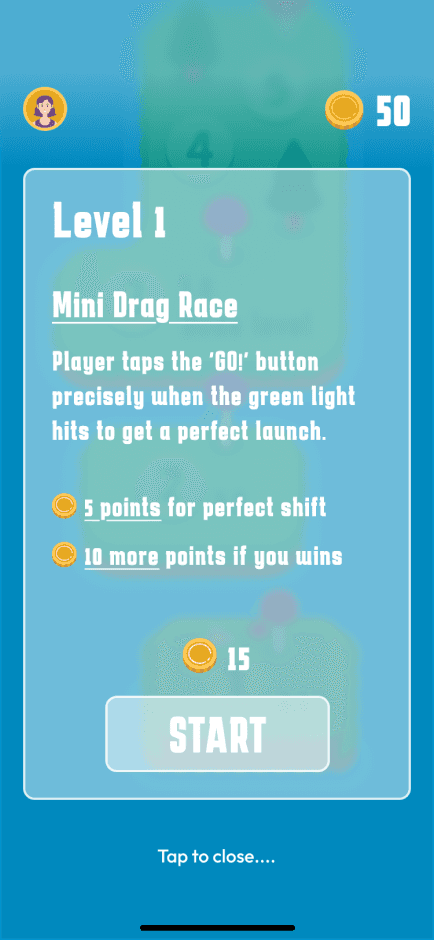
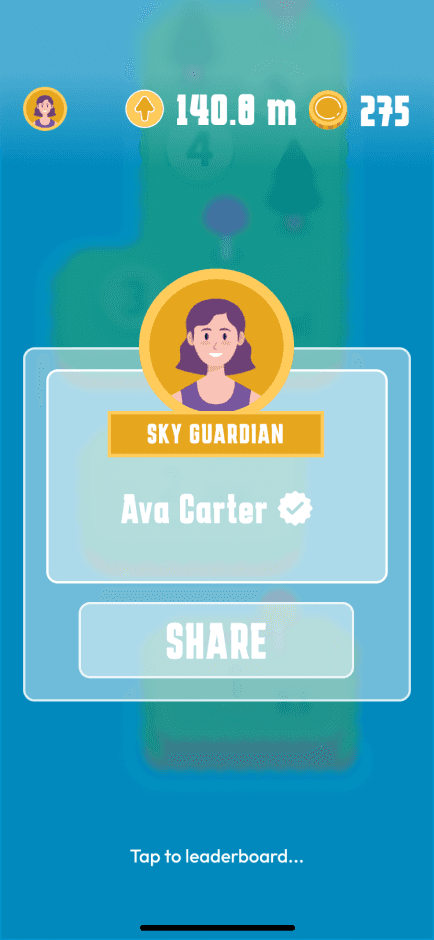
Designed the core engagement loop: motivation (unlock island, play mini-game, earn coins) → action (buckle up, drive safe, complete 10 miles) → feedback (+1 safe drive, progress bar fills, badge earned). Mapped the full progression staircase from first open to Endgame — including Boss Fights every third island, 7-day intentional driving streaks, chill rest zones, and a final "Sky Guardian" identity title.
Rest Zones
05. DON'T FORGET THE FUN
Intrinsic fun built into every mechanic
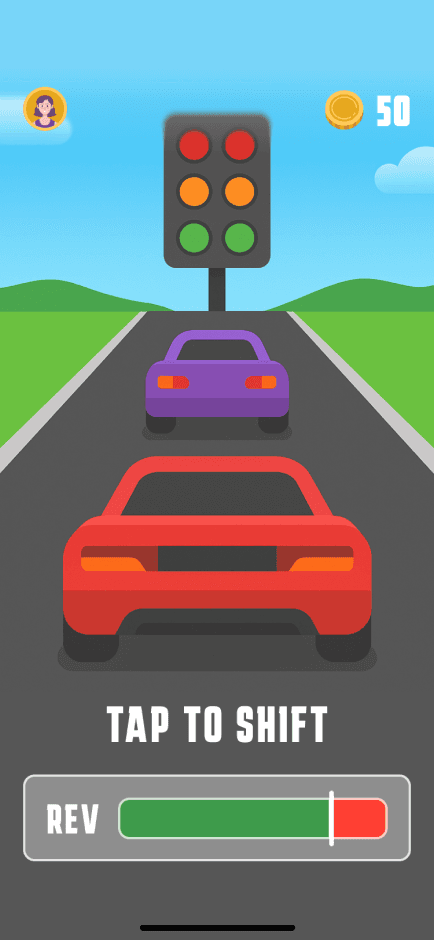
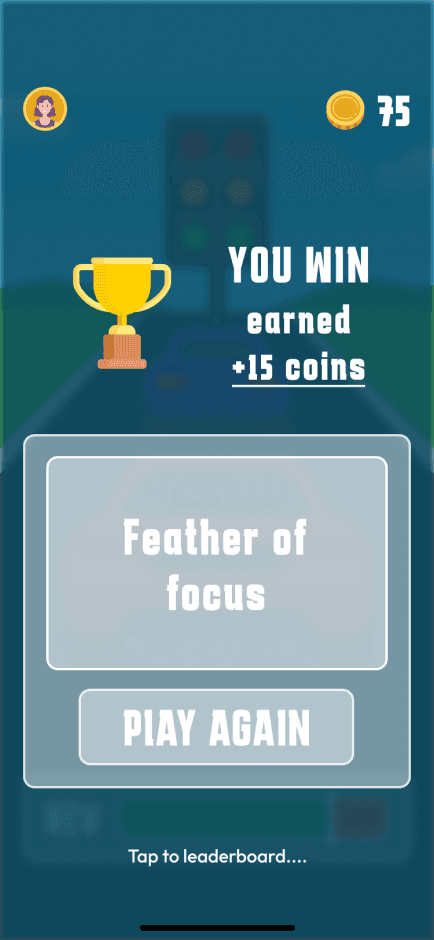
Mini-games (puzzles, tapping challenges) embedded in each island. Weekly mystery events like "The Island Vanishes in 48hrs." Funny collectible tokens called "badges" — creatively named, never trophies. The app had to be worth opening even when you weren't driving, so the habit was already formed when you were.
Collectible Tokens
06. DEPLOY APPROPRIATE TOOLS
Five behavioral mechanics, deliberately chosen
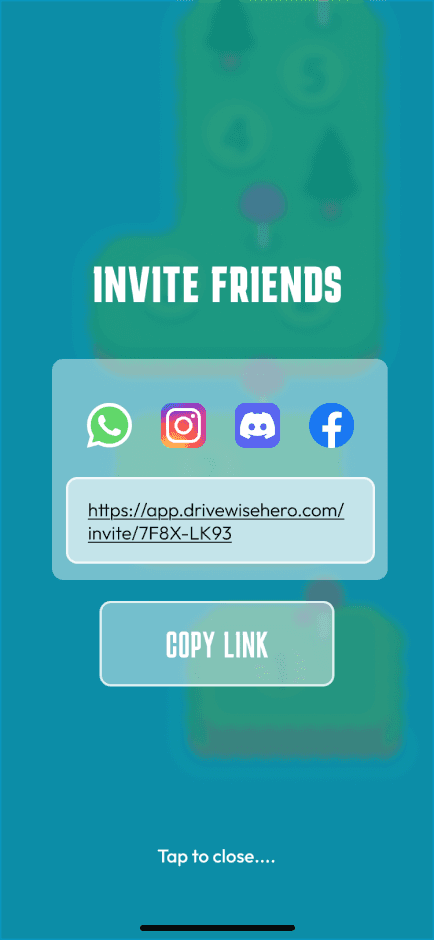
In-app currency (coins earned in mini-games, spent on themes and avatars). Unlockable islands (each requiring 10 safe miles). Named achievements (creatively titled badges — not generic trophies). Social layer (invite-only friend circles for shared discovery logs, no leaderboard pressure). Notification system with gentle nudges like "Your skypath awaits" — gain-framed, never warnings.
Gain-Framed Nudges
05 Solution
Skyroad — where every safe drive unlocks a new world.
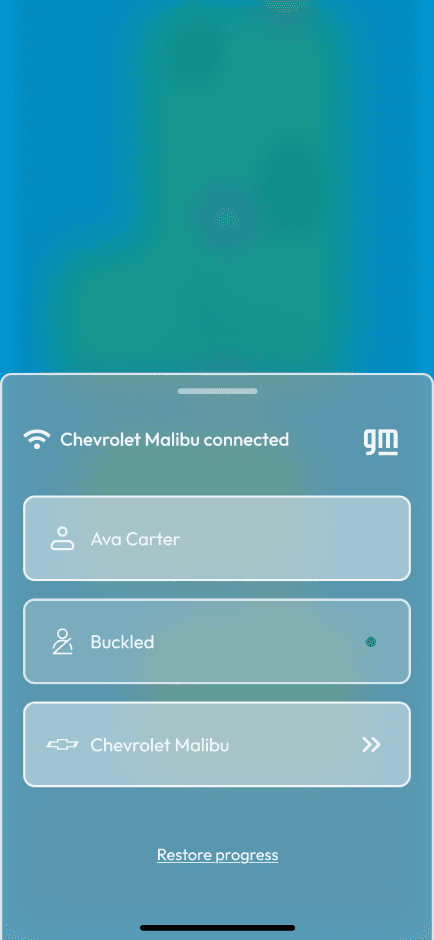
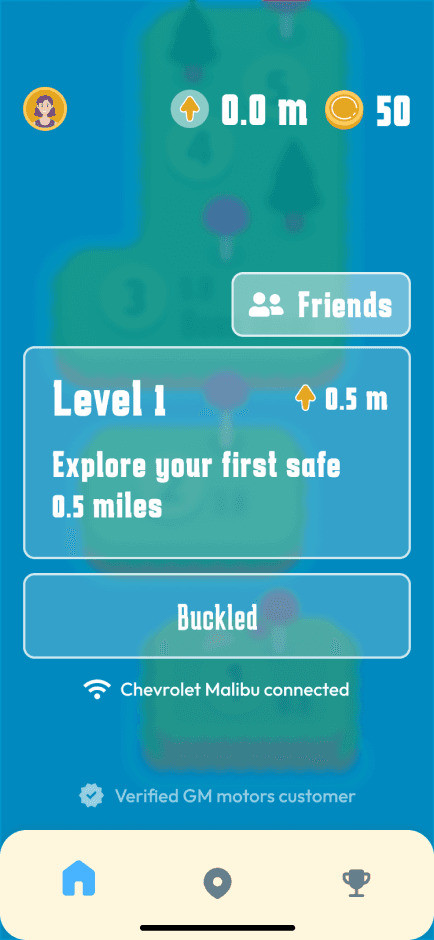
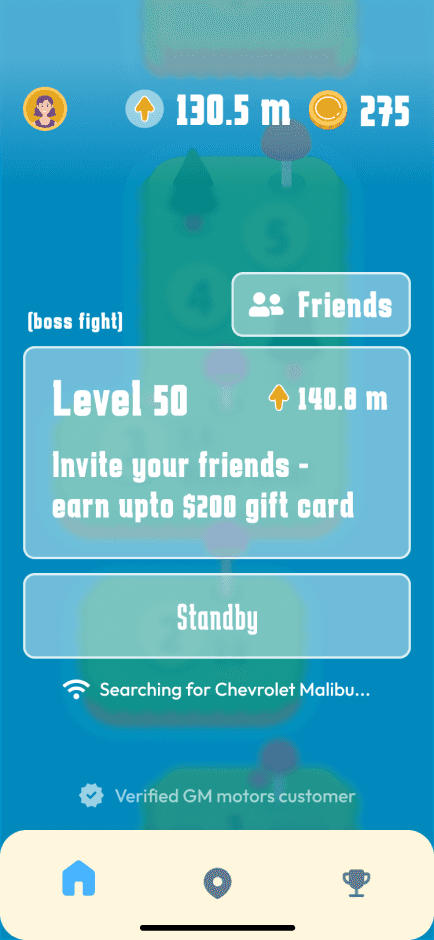
Skyroad is a GM-connected mobile app that uses telematics data from the vehicle to detect real-time seatbelt use and mileage driven. Each safe, buckled drive earns progress toward unlocking a new island on a personalized map — themed to places the player loves.
CORE FEATURE
Island Exploration via Safe Driving
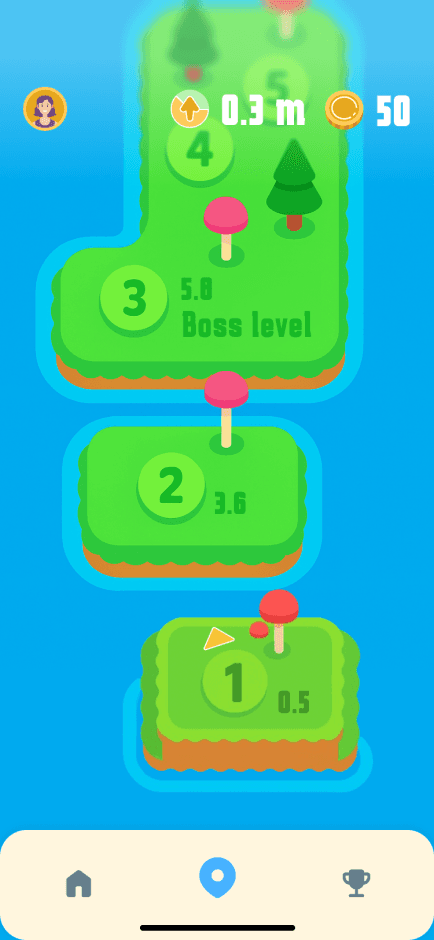
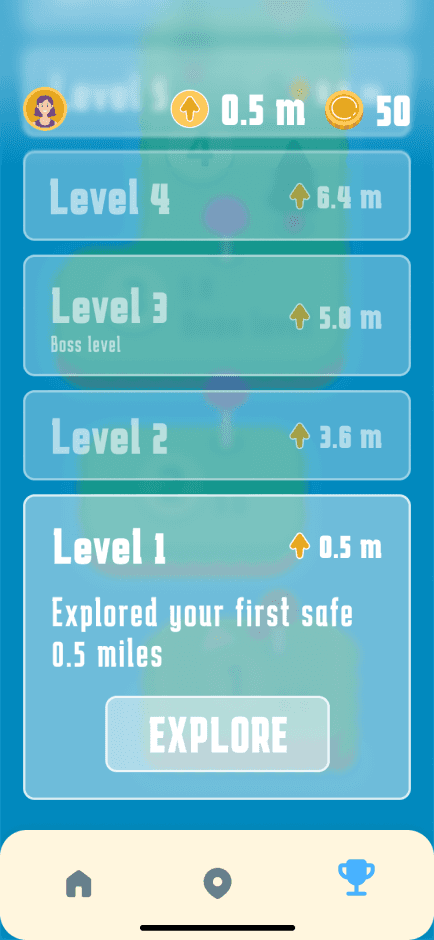
Every 10 safe, buckled miles unlocks a new island on a personalized map themed to the driver's chosen city. Islands contain mini-games, collectible artifacts, and narrative lore. The map is the progress bar — you never see a percentage, only a world expanding around you as you drive.
FEATURE 01
Mood-Based Themes
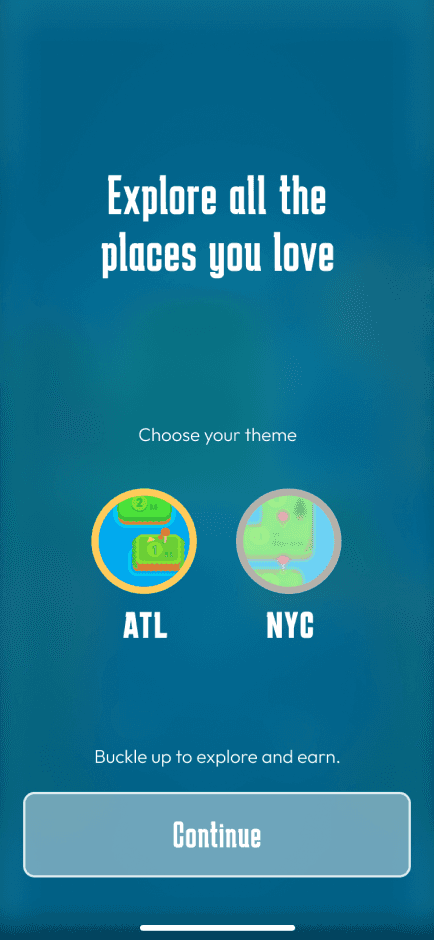
Players choose their journey world at onboarding (ATL, NYC, and expanding). The theme shapes visual style, island names, and the narrative voice throughout. Safety feels personal, not corporate.
FEATURE 02
Boss Fights & Streak Challenges
Every third island triggers a Boss Fight requiring an extended intentional driving streak (7 days). Completing it unlocks a special badge and narrative reward. Failing has no punishment just the next attempt.
FEATURE 03
Soft Social Layer
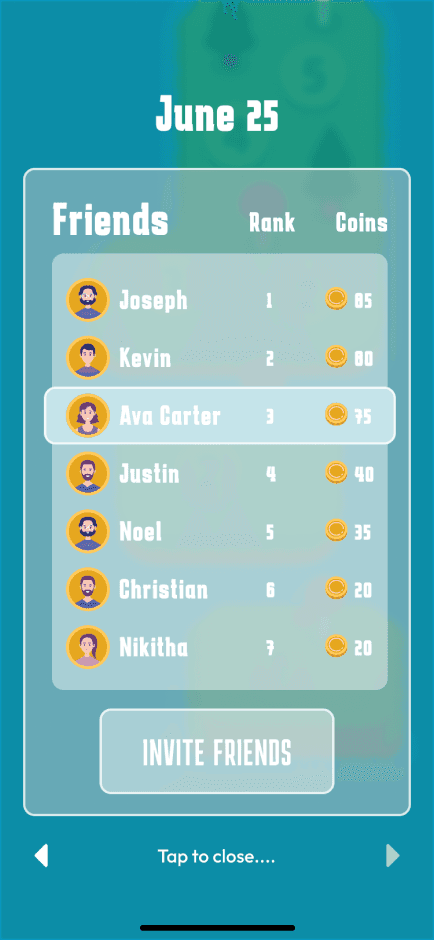
Invite-only friend circles for shared discovery logs. No public leaderboards, no competitive pressure. Friends share milestones quietly — reinforcing the social norm that safe driving is something people actually choose to do.
FEATURE 04
Sky Guardian Endgame
Players who complete all island zones unlock the Sky Guardian title and record a personal driving ritual — a voice or written "Drift Code." The endgame isn't a trophy. It's self-authorship. Compliance becomes identity.
06 Results
What the research and design delivered.
+28%
Increase in safety training recall scores from the GM engagement program
-26%
Reduction in unbuckled drives in the RCT study that grounded this design
91.3%
Buckling rate achieved with shared-pot behavioral intervention vs. 88.3% control
4 phases
Full gamified journey mapped: Discovery, Onboarding, Scaffolding, Endgame
Sustained
Behavior change held through 5-week post-intervention follow-up lasting habits formed
06 Learnings
What this project taught me.
01
Gamification fails when it's a layer, not a foundation
02
Research doesn't just inform design — it validates risk
03
The player who resists rules needs the most thoughtful design
04